

How an Electronics Prototype Company Turns Your Ideas Into Market-Ready Products
Getting a product from idea to store shelf sounds straightforward on paper. In reality, it's kind of a mess. You've got design problems popping up, manufacturing issues nobody saw coming, and a whole bunch of surprises along the way.
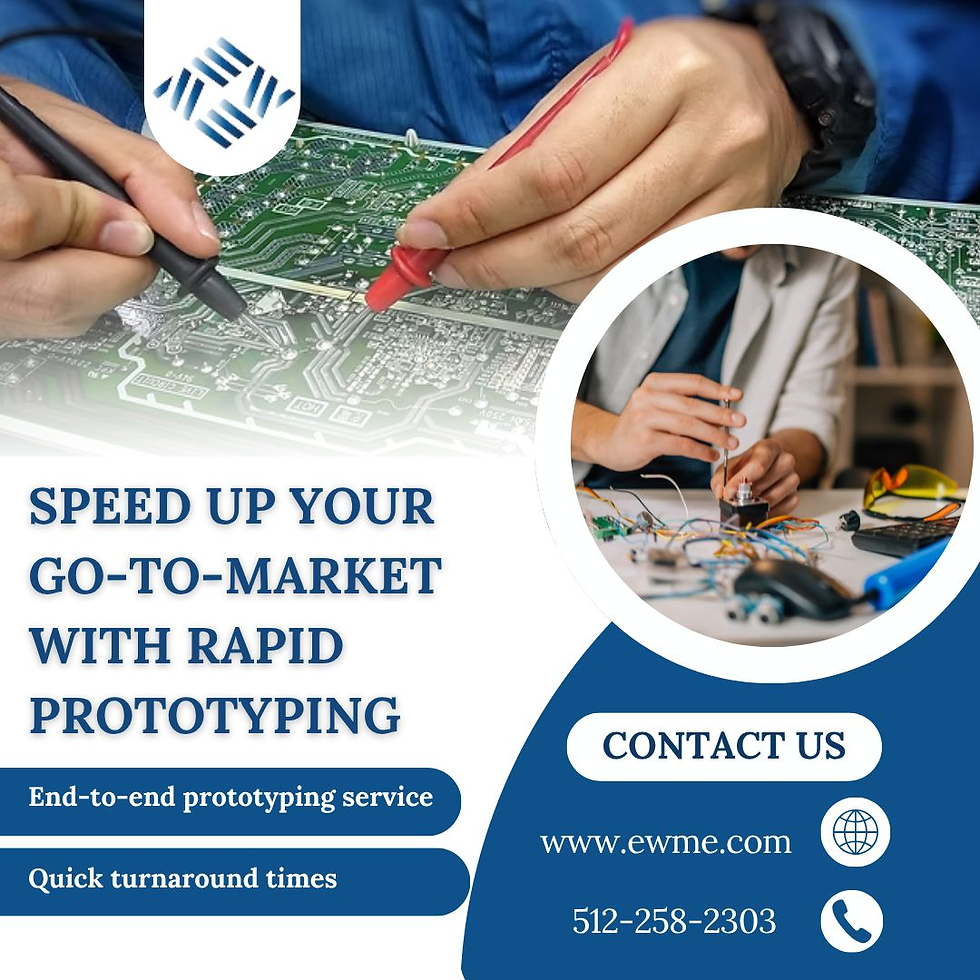
That's why you need an electronics prototype company in your corner. The whole journey kicks off with an idea. Maybe it's a gadget that solves something people are frustrated with. Maybe it's completely new. Taking that idea and turning it into something real that people can actually use? That takes a lot more than drawings and good intentions.
From Concept to Working Model
You build a prototype. What matters about this step? It's not about making something perfect. It's about figuring out if your concept actually works when you put it through real tests.
Engineers grab your design, hunt down the potential problems, and create something physical. They run tests on it. They intentionally break things. They find out what actually works and what falls apart.
This stage is huge because catching problems early saves you serious money. Finding a design flaw when you're still in prototype electronics mode costs way less than discovering it after you've already started making thousands of units. That's really the whole reason this step exists.
Scaling Up Production
Once your prototype looks solid, the next move is getting ready for real manufacturing. This is where electronics contract manufacturing becomes your best friend. Your design goes from being a one-time build to something that can actually be made in bulk.
This part includes finding the right components and suppliers who can deliver, building out production workflows that actually work, running quality checks once you're making things at scale, and keeping the costs from spiraling out of control.
A partner worth working with knows how to juggle speed, quality, and budget all at the same time. They've been through this many times before. They know which corners can safely be trimmed and which ones absolutely cannot be touched.
Refining Before Launch
Prototype work doesn't wrap up once manufacturing kicks into gear. The teams keep testing and adjusting. They run batches through real situations to see how they hold up.
They grab feedback from early adopters. They catch problems that only show up after you've made hundreds or thousands of units. This constant back and forth between the design side and production side? That's normal. That's how it works.
Smart companies actually build time and budget for this stuff.
Why This Matters
When you try to rush through these stages, bad things happen. Products break. Customers get annoyed. Companies waste money and damage their reputation.
Doing it right actually costs less when you look at the big picture. The companies that really make it are the ones who get this. They partner with people who have the expertise, the tools, and the willingness to do things properly.
They test like their business depends on it because it does. They plan for what could go wrong. They keep improving the product until it's genuinely ready to go out into the world.
What Separates Success From Failure
Turning an idea into something the market actually wants takes more than just good intentions. You need solid teams, real testing, and a process that makes sense.
The difference between a product that bombs and one that succeeds? It usually comes down to how much a company cares about getting the prototype and manufacturing part right. That's where everything actually happens.
FAQ
1. What is the work of an electronics prototype company?
An electronics prototype company picks up your idea and makes it a reality. Before the product is fully produced, they develop a working model, test it, identify problems, and rectify them.
2. What is the significance of creating a prototype?
It lets you know whether your idea works or not. On paper, all may appear ideal. However, when you put it together and put it to the test, you discover the problems. The early detection of those issues will save much money and stress in the future.
3. What follows after the working prototype?
After the prototype is good-looking, the next thing that needs to be done is the preparation for mass production. This involves the establishment of the correct parts, suppliers, and production process so that the product can be produced in bulk quantities without any problems.
4. And are there any issues that may occur in the manufacturing process?
Yes, they can. Teams continue to test and check products even at the stage of production. When producing hundreds and thousands of items, new problems may emerge. That is normal, and good companies strategize on it.
5. What is the benefit of testing before launch?
Testing assists in ensuring that the product is operational in real-life conditions. The engineers experiment with various settings, take the product to task, and test it. This prevents complaints by customers in the future.